
What we know
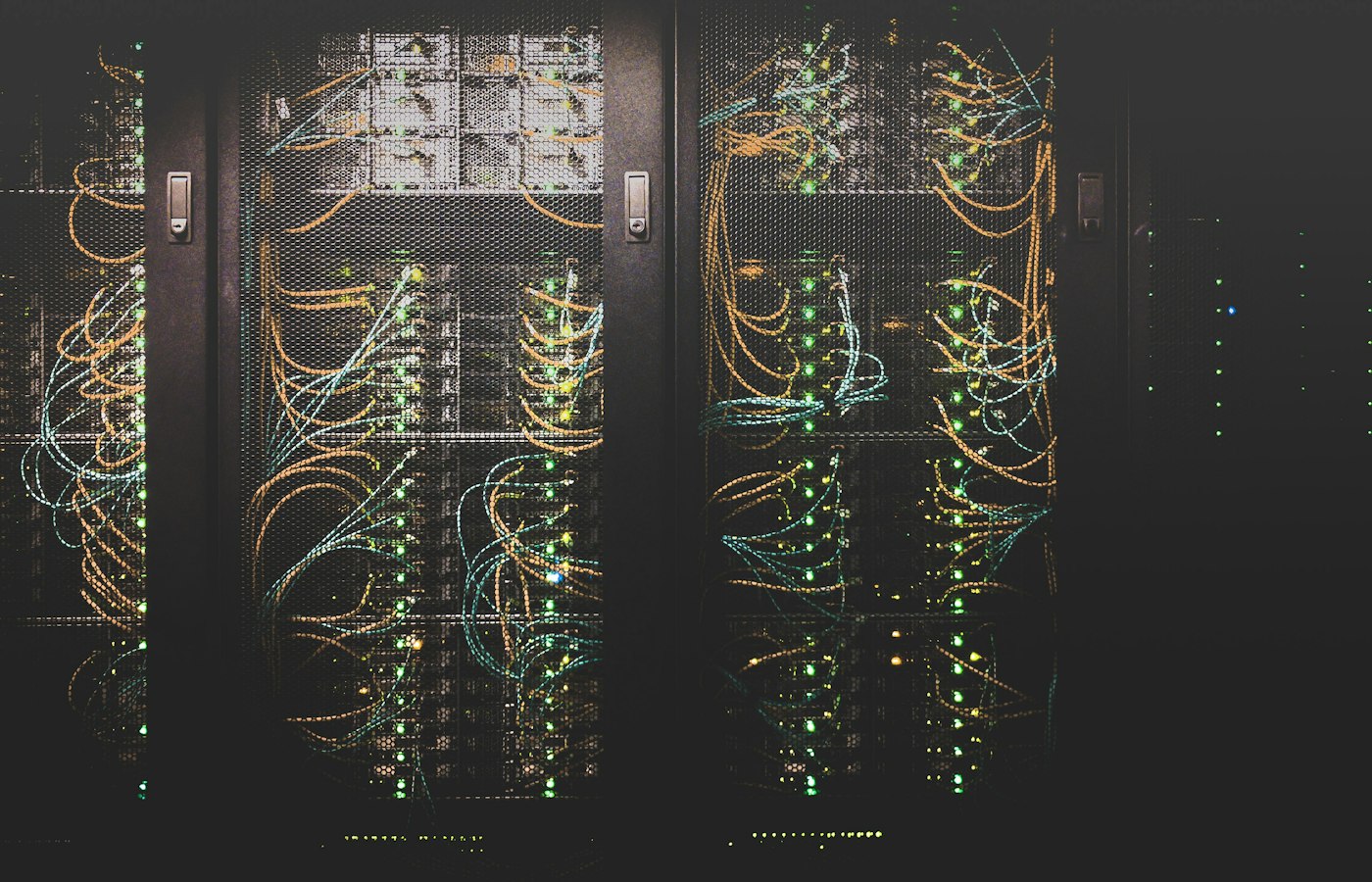
The latest generation of bionic hands offers greater functionality than earlier versions, improving user control and sensory feedback. At the same time, the rapid growth of artificial intelligence is driving up demand for natural gas, as data centers require reliable and substantial power to support AI workloads. These developments highlight advances in prosthetics alongside significant shifts in energy consumption patterns tied to AI infrastructure. New bionic hands provide enhanced dexterity and sensory capabilities. The AI boom is increasing natural gas demand due to data centers’ energy needs.
Why it matters
Improved bionic hands could greatly enhance quality of life for users by offering more natural and precise movement. Meanwhile, the rising energy demands of AI data centers, often met by natural gas, raise important questions about environmental impact and sustainability. Understanding these trends is crucial for balancing technological progress with responsible energy use.
What is still unknown
Details on the specific capabilities, accuracy, and availability of the new bionic hands remain unclear. The extent to which different languages or user groups are supported has not been disclosed. Similarly, no information is available about the timing or scale of natural gas demand increases linked to AI data centers. No independent tests of bionic hand performance or energy impact assessments have been reported.